Choosing the Right Riding Jacket for Off-Road Adventures
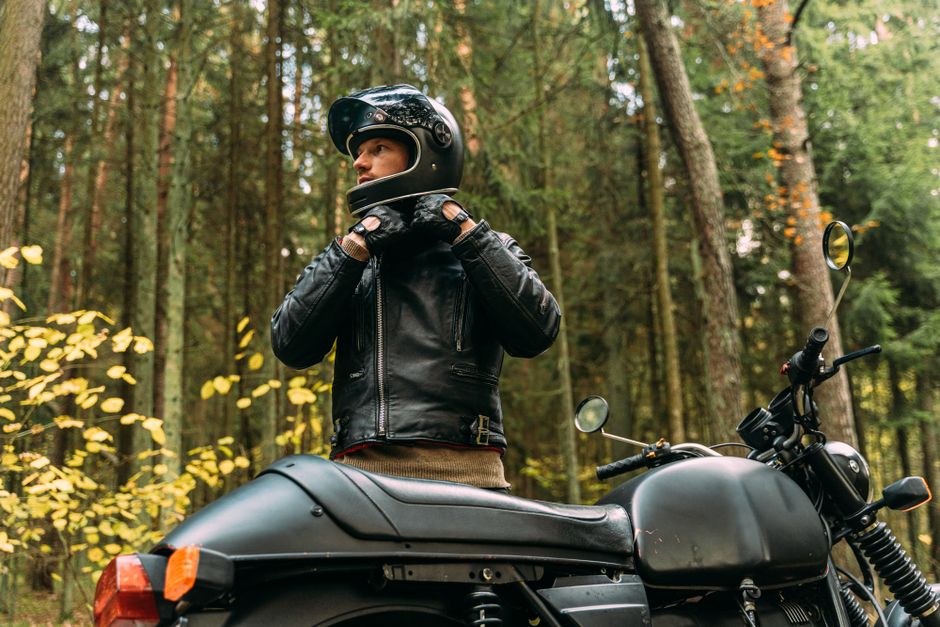
Selecting a riding jacket for off-road adventures involves evaluating a range of features that balance protection, comfort, and environmental adaptability. Riders engaged in enduro and touring activities often face varying conditions—from slow, technical trails to long-distance travel—each imposing different demands on apparel. This article compares key aspects such as materials, ventilation systems, and protective elements, providing a structured overview to support informed decision-making. The focus is on understanding how design choices influence functionality rather than prescribing specific outcomes.
Off-road riding environments are inherently unpredictable, with exposure to dust, debris, weather shifts, and physical hazards. A jacket’s suitability depends on how well its construction aligns with the rider’s typical terrain, climate, and riding style. By examining the trade-offs between durability, breathability, and impact resistance, riders can better assess which features may serve their needs. This comparison does not endorse any single approach but rather outlines the considerations that inform a reasoned selection process.
It is important to recognize that no jacket can guarantee safety or performance in all situations. Protective gear functions as part of a broader safety system, and its effectiveness is influenced by factors such as fit, maintenance, and riding behavior. The following sections explore materials, ventilation, and protection features in detail, offering a framework for evaluating options within the context of enduro and touring use.
Material Considerations for Off-Road Jackets
The choice of material significantly affects a jacket’s weight, durability, abrasion resistance, and weather performance. Off-road jackets commonly employ combinations of synthetic fabrics, such as polyester and nylon, often reinforced with abrasion-resistant panels in high-wear areas. These materials aim to provide a balance between toughness and flexibility, accommodating the dynamic movements of off-road riding. The specific blend and construction can influence how the jacket handles abrasion from branches, rocks, and contact with the ground, as well as its resistance to tearing under stress.
For enduro riding, where agility and heat management are often priorities, lighter-weight materials with strategic reinforcement may be preferred. Touring-oriented jackets, on the other hand, might emphasize weather protection and durability over extended distances, sometimes incorporating waterproof membranes or treated fabrics. It is worth noting that waterproof materials can reduce breathability, so riders must weigh the likelihood of wet conditions against the need for airflow. Additionally, the use of mesh panels introduces trade-offs between ventilation and abrasion resistance, as mesh areas typically offer less protection than solid fabrics.
Material selection also involves considering maintenance requirements. Some fabrics are more resistant to UV degradation, staining, or repeated washing, which can affect longevity. Riders may evaluate how easily a jacket can be cleaned after exposure to mud, dust, or insects, and whether specific care routines are necessary to preserve material integrity. While no material is universally superior, understanding these characteristics helps align choices with expected use patterns and environmental exposures.
Ventilation Systems and Thermal Management
Ventilation is a critical factor in off-road riding, where physical exertion and low speeds can lead to heat buildup. Jackets designed for enduro and touring often incorporate ventilation features such as mesh panels, zippered vents, and adjustable openings. These elements aim to facilitate airflow and moisture evaporation, supporting thermal comfort during active riding. The placement and size of vents vary, with some designs focusing on core airflow and others targeting extremities like underarms and back.
The effectiveness of ventilation depends on the jacket’s overall design and how it interacts with other gear, such as base layers and hydration systems. For instance, a jacket with large mesh areas may offer substantial airflow but could compromise protection in those zones. Conversely, jackets with zippered vents over solid fabric provide adjustable ventilation while maintaining abrasion resistance. Riders might consider the ease of operating vents while wearing gloves, as well as whether vents can be secured open or closed during movement. Seasonal and climatic factors also play a role; what works in arid heat may differ from humid or cooler conditions.
Beyond mechanical vents, some jackets employ moisture-wicking liners or breathable membranes to manage perspiration. However, these features can add complexity and cost, and their performance varies with activity level and ambient humidity. It is advisable to test ventilation systems in conditions similar to intended use, as subjective comfort is influenced by individual physiology and riding intensity. No single ventilation strategy suits all riders, and the optimal configuration often involves trade-offs between airflow, protection, and weather resistance.
Protection Features and Impact Considerations
Protective elements in off-road jackets typically include abrasion-resistant panels, impact-absorbing armor at key points, and designs that accommodate additional body armor. Common armor placements are shoulders, elbows, and back, with some jackets offering pockets for aftermarket inserts. The level of protection varies widely, and riders should understand that armor ratings and coverage differ among products. For enduro riding, where falls are more frequent but speeds may be lower, flexible and well-ventilated armor might be prioritized, whereas touring jackets may emphasize coverage and durability for higher-speed scenarios.
It is essential to recognize that protective features are not a substitute for safe riding practices and situational awareness. The effectiveness of armor can be influenced by fit—loose garments may allow armor to shift during a fall, reducing its intended benefit. Adjustability systems, such as straps and closures, help maintain proper positioning. Additionally, the integration of neck braces or chest protectors may be considered for specific off-road disciplines, though compatibility between garments and auxiliary protection should be verified.
When comparing jackets, riders might examine construction details like seam placement, bar-tack stitching, and reinforced stress points, as these can affect durability under impact. However, claims about protective performance should be viewed cautiously, and reliance on certification standards (where applicable) can provide a baseline for comparison. Ultimately, protection is a multifaceted aspect that combines material strength, design, and rider behavior, with no single feature guaranteeing safety.
Balancing Enduro and Touring Requirements
Enduro and touring use cases impose distinct demands on riding jackets, and riders often seek gear that accommodates both. Enduro-focused jackets tend to prioritize lightweight construction, breathability, and freedom of movement, while touring jackets may emphasize weather protection, storage, and long-distance comfort. Finding a balance requires assessing which features are non-negotiable for the intended riding and which can be compromised. For example, a jacket with extensive mesh ventilation may excel in hot, slow-speed enduro conditions but offer limited insulation for chilly touring mornings.
Modular designs, such as jackets with removable liners or convertible panels, attempt to address this balance by adapting to changing conditions. However, modularity can introduce added weight, complexity, and potential points of failure. Riders might consider how easily liners can be added or removed, and whether the jacket remains comfortable when configured differently. Climate and season also play a role; a jacket suitable for summer enduro may not suffice for shoulder-season touring, prompting consideration of layering strategies.
Fit and ergonomics are equally important, as off-road riding involves frequent position changes and upper-body movement. A jacket that restricts motion or bunches uncomfortably can detract from control and comfort. Adjustability features, such as waist and arm straps, help tailor the fit, but riders should test range of motion, especially when wearing a hydration pack or additional layers. As with other aspects, personal preference and riding style heavily influence the evaluation, and what works for one rider may not suit another.
Practical Evaluation and Decision-Making
When comparing riding jackets, a structured evaluation can help riders move beyond marketing claims and focus on functional attributes. Creating a checklist of priorities—based on typical terrain, weather, and riding duration—can guide the assessment. For instance, if riding in hot, dusty environments, ventilation and dust filtration may rank highly; for cold, wet touring, waterproofing and insulation might take precedence. It can be useful to read independent reviews, inspect products in person when possible, and consider return policies that allow for trial in relevant conditions.
Riders should also factor in long-term maintenance and compatibility with existing gear. A jacket that requires specialized care or frequent reproofing may demand more attention, while compatibility with body armor, hydration systems, and luggage can affect overall usability. Additionally, while brand reputation may offer some assurance, it is not a guarantee of suitability for a specific rider’s needs. Evaluating warranties, repair services, and availability of replacement parts can contribute to a more informed purchasing decision. The process is inherently personal and contextual, with no universal solution.
Finally, it is prudent to approach any jacket as one component of a comprehensive safety and comfort strategy. Training, riding within one’s limits, and maintaining gear in good condition are fundamental, and no product can compensate for risky behavior. By focusing on transparent specifications and practical testing, riders can make choices that align with their individual requirements and riding philosophy.