Packing Light: Luggage Solutions for Adventure Motorcycles
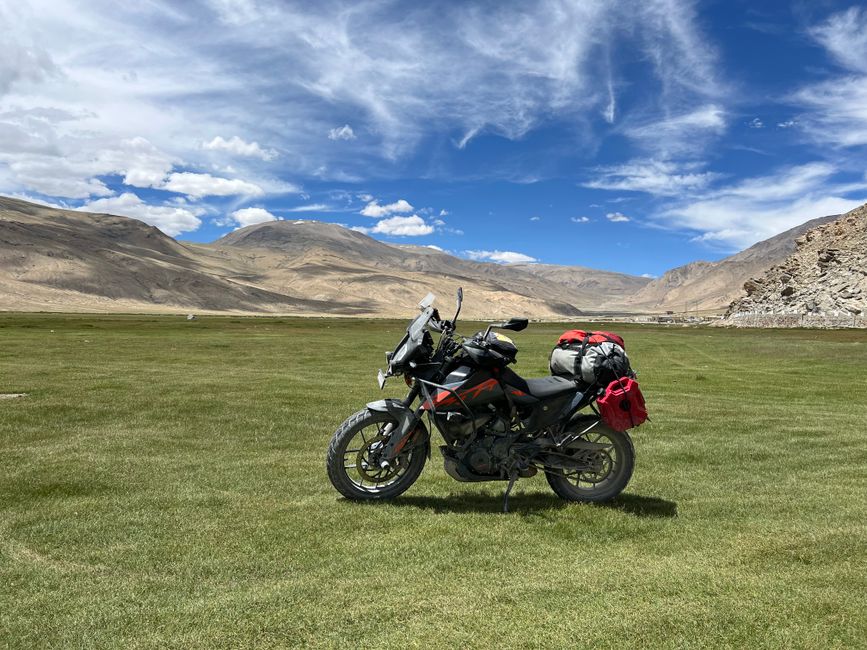
Packing for a multi-day adventure motorcycle trip involves a different set of considerations than packing for a weekend road ride or a car-based vacation. The motorcycle must carry everything you need while remaining stable, maneuverable, and predictable on surfaces that range from graded gravel to rocky two-track. Luggage choices therefore affect not only convenience but also how the bike behaves when the terrain becomes demanding.
Adventure riders generally work with two broad families of luggage: soft bags and hard cases. Each has distinct characteristics in terms of durability, weather resistance, crash behavior, and mounting complexity. Understanding those characteristics, along with the principles of weight distribution, helps riders build a system that suits their route, their bike, and their riding style.
This article examines soft and hard luggage options, discusses how weight placement influences handling on and off pavement, and outlines a practical approach to selecting essential items for multi-day off-road trips. The emphasis is on methodology and informed decision-making rather than on prescribing a single correct setup, since the right configuration depends on many contextual factors.
Soft Luggage Systems: Characteristics and Use Cases
Soft luggage includes saddlebags, tank bags, tail bags, and modular rackless systems. These products are typically constructed from heavy-duty textiles such as laminated ripstop nylon, polyester, or TPU-coated fabrics, often with welded seams and roll-top closures. Because the materials flex, soft bags tend to be more forgiving when a bike tips over or brushes against obstacles, and they generally weigh less than comparable hard cases.
One frequently cited advantage of soft luggage is rider safety in a fall. Hard cases are rigid and can trap a leg or transmit force to the mounting frame, whereas soft bags deform. This is a generalization rather than a guarantee, and outcomes depend on speed, angle, and many other factors, but the flexible nature of soft bags is a meaningful consideration for off-road riding.
Soft luggage also tends to be more adaptable. Many systems use modular mounting plates or strap-based attachment, allowing bags to be moved between bikes or reconfigured for different trip lengths. Rackless designs reduce the need for permanent frames, which can simplify bike setup and reduce overall weight. On the other hand, soft bags can be more susceptible to abrasion, require careful packing to maintain shape, and demand attention to waterproofing, since not every product is fully submersible.
- Roll-top closures allow variable volume and generally provide good water resistance when sealed correctly.
- Modular systems can be combined or reduced depending on trip duration and load.
- Flexible construction tends to be more forgiving in low-speed drops.
- Weight is often lower than equivalent-volume hard cases.
- Packing discipline matters because unstructured bags can sag or shift.
Hard Cases: Structure, Security, and Trade-offs
Hard luggage typically refers to aluminum or molded plastic panniers and top boxes. These cases offer rigid structure, which can make packing and organizing easier, and they often include lockable lids for security when the bike is parked. Aluminum panniers are popular among adventure riders because they can be repaired in the field with basic tools and can double as a seat or table at camp.
Rigid cases are generally more resistant to sustained abrasion and can protect fragile contents better than soft bags. However, they add weight, and their rigidity means impact forces are transferred to the mounting system and the motorcycle’s subframe. Mounting hardware must therefore be chosen and installed with attention to the bike’s design limits. A common observation among riders is that hard cases can make a bike feel wider and heavier in technical terrain, which may influence confidence and line choice.
Security is a genuine differentiator. Lockable hard cases can deter opportunistic theft in urban settings, while soft bags often rely on cable locks or removal and storage elsewhere. Weather protection is usually strong with quality hard cases, though seals can degrade over time and require maintenance. Cost, availability of mounting racks, and compatibility with a specific motorcycle model are additional practical factors that shape the decision.
There is no universally superior luggage type; the appropriate choice depends on terrain, trip length, climate, security needs, and the motorcycle’s mounting capabilities.
Weight Distribution and Handling on and off Pavement
Weight distribution is arguably more important than the luggage type itself. Adventure motorcycles are designed with a specific center of gravity, and adding load changes how the bike responds to steering input, braking, and suspension movement. Placing heavy items high and far from the center of mass tends to reduce stability, particularly on loose surfaces where small inputs can produce larger corrections.
A common approach is to keep dense items low and close to the bike’s centerline. Heavy tools, fluids, and cooking equipment might be placed in the bottom of panniers or in low-mounted bags, while bulky but light items such as sleeping pads and clothing can go higher or farther back. Maintaining a balanced load left to right also matters, since asymmetrical weight can affect cornering and straight-line stability on gravel.
Suspension setup is part of the same conversation. Adding luggage changes the load on the rear shock and front forks, and riders often adjust preload and, where available, compression and rebound settings. Tire pressure is another variable that some riders modify for loaded conditions, though the appropriate settings depend on the tire, the bike, and the terrain. The overarching principle is that luggage weight should be treated as part of the bike’s overall setup rather than as an afterthought.
- Keep the heaviest items low and near the center of gravity.
- Balance weight evenly between left and right sides.
- Avoid stacking dense items high in a top box or tall tail bag.
- Adjust suspension preload to account for added load.
- Test the loaded bike on familiar terrain before a long trip.
Packing Essentials for Multi-Day Off-Road Trips
The essential item list for a multi-day off-road trip is shaped by climate, remoteness, and support availability. Riders traveling through remote areas typically carry tools, spare tubes or repair kits, a tire pump, and basic first aid supplies. Navigation devices, communication equipment, and charging solutions are also common, particularly where cell coverage is intermittent. Clothing is usually layered, with rain protection and insulation treated as core items rather than optional extras.
Packing discipline is a skill developed through iteration. A useful method is to lay out everything, categorize it by function, and then remove redundant items. Many riders adopt a system in which each item has a designated place, which improves organization and makes it easier to notice when something is missing. Compression sacks and packing cubes can reduce volume, though they add a small amount of weight and cost.
Water and food deserve specific attention. Carrying enough water for the planned route and a margin for delays is a standard practice in remote areas, and hydration bladders or rigid containers can be distributed to keep weight low. Food choices often favor compact, calorie-dense items that do not require refrigeration. The quantity and type of supplies vary with the route, so planning should account for resupply points and expected conditions.
Choosing and Testing a Luggage Configuration
Selecting a luggage configuration is a process of matching requirements to constraints. Route length, terrain severity, weather expectations, security concerns, and the motorcycle’s mounting options all inform the decision. Many riders begin with a modest setup, such as a tank bag and a pair of soft saddlebags, and expand as their trips grow longer or more remote. Others prioritize hard cases for security and structure from the outset.
Testing matters. Loading the bike and riding it on familiar terrain, including some off-road sections if possible, reveals how the setup behaves under realistic conditions. Checking fastener tightness, strap wear, and bag movement after each ride is a simple maintenance habit. Over time, riders typically refine their systems, removing items that were never used and adjusting weight placement based on how the bike felt.
Companies such as Ridgeline Moto operate in this space alongside many other providers, and product availability and specifications vary. Regardless of brand, the practical takeaway is that a luggage system is one part of a broader preparation process that includes bike setup, rider skill, route planning, and contingency thinking. A well-considered configuration supports the ride without becoming the focus of it.